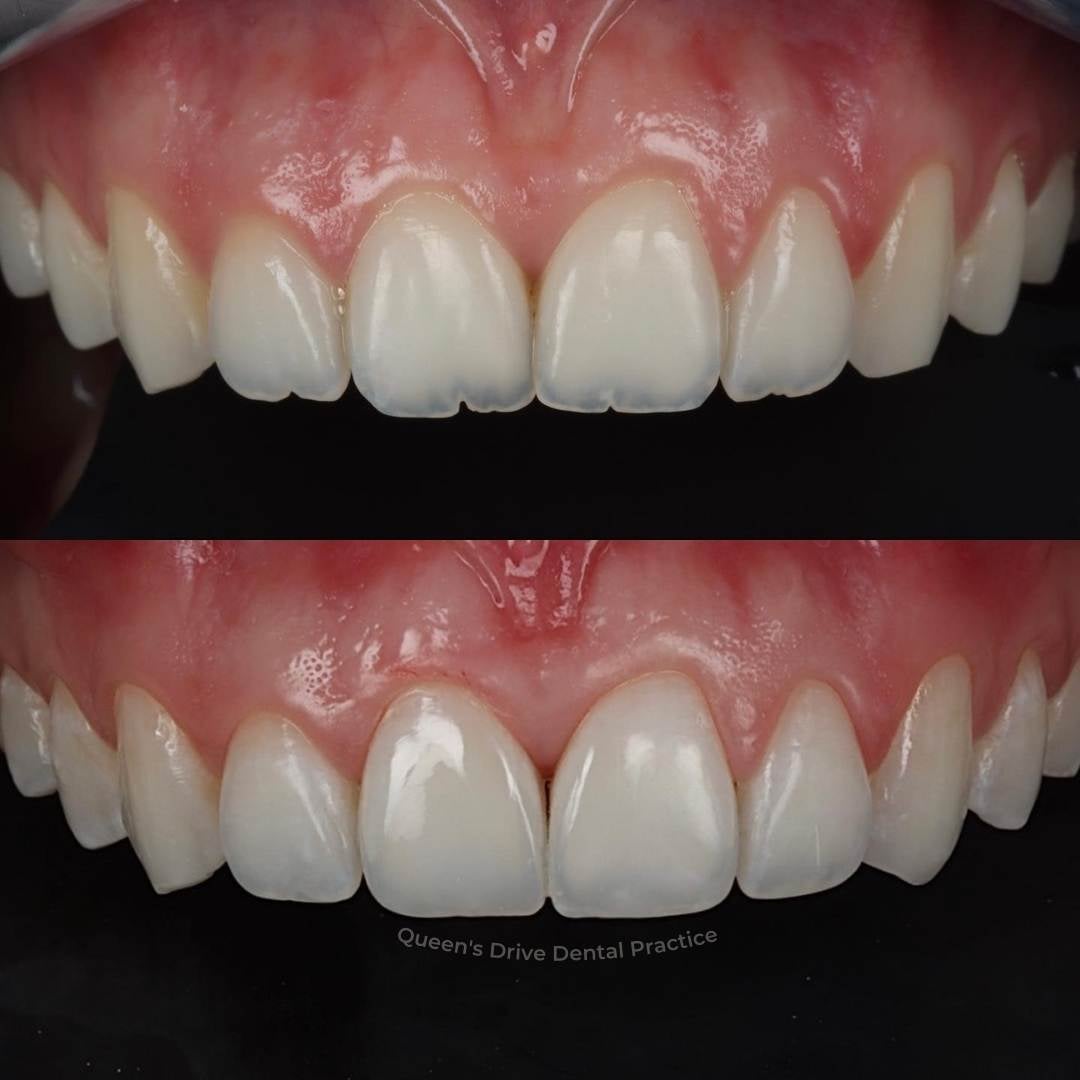
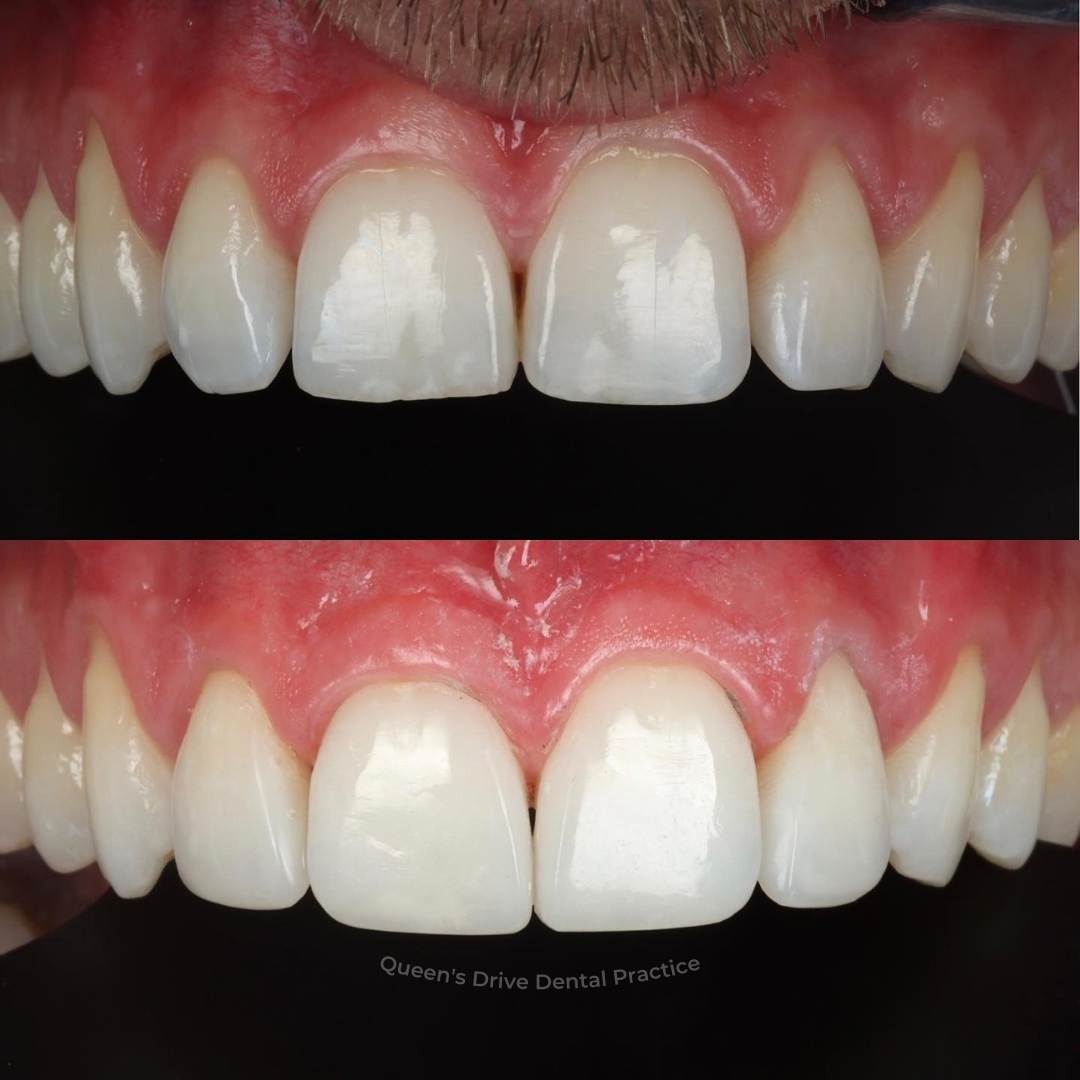
Can Composite Bonding Repair Chipped Teeth?
A chipped tooth can happen when you least expect it. Whether it’s caused by biting into something hard, a sporting accident or everyday wear and tear, even a small chip can affect the appearance of your smile and sometimes leave the tooth feeling rough or uneven.
The good news is that many chipped teeth can be improved with composite bonding. This minimally invasive cosmetic treatment is designed to restore the natural appearance of your tooth while preserving as much healthy tooth structure as possible.
At Queens Drive Dental Practice, we help patients throughout Glasgow restore their smiles with personalised composite bonding treatments that look natural and feel comfortable. In this guide, we’ll explain how composite bonding can repair chipped teeth, who it’s suitable for and what you can expect from treatment.
What Causes a Chipped Tooth?
Teeth are incredibly strong, but they’re not indestructible.
A chip can occur for many reasons, including:
- Biting hard foods or objects.
- Sporting injuries.
- Falls or accidents.
- Teeth grinding or clenching.
- Natural wear over time.
Some chips are purely cosmetic, while others may expose the tooth to further damage if left untreated. That’s why it’s always worth having a chipped tooth assessed by your dentist.
How Does Composite Bonding Repair Chipped Teeth?
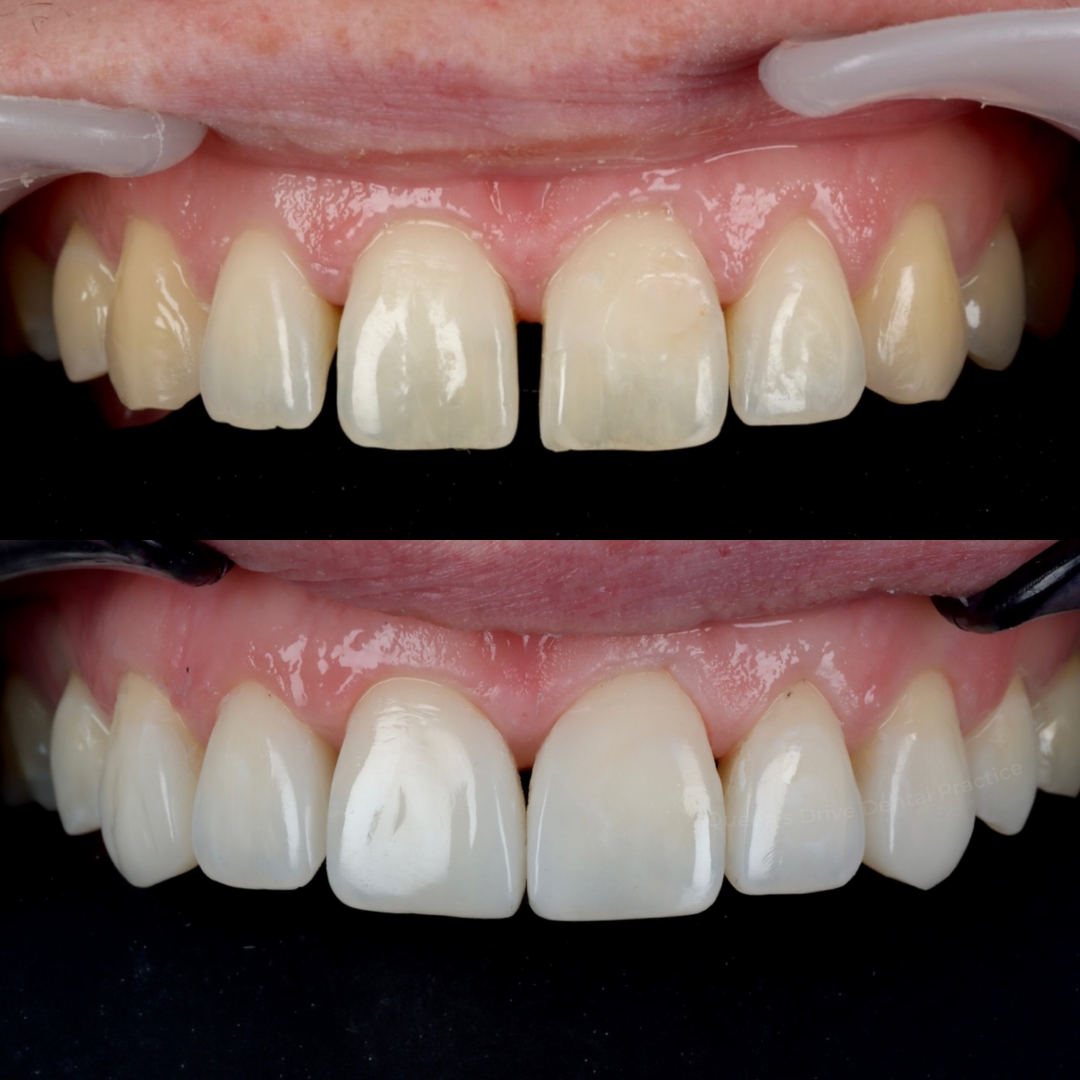
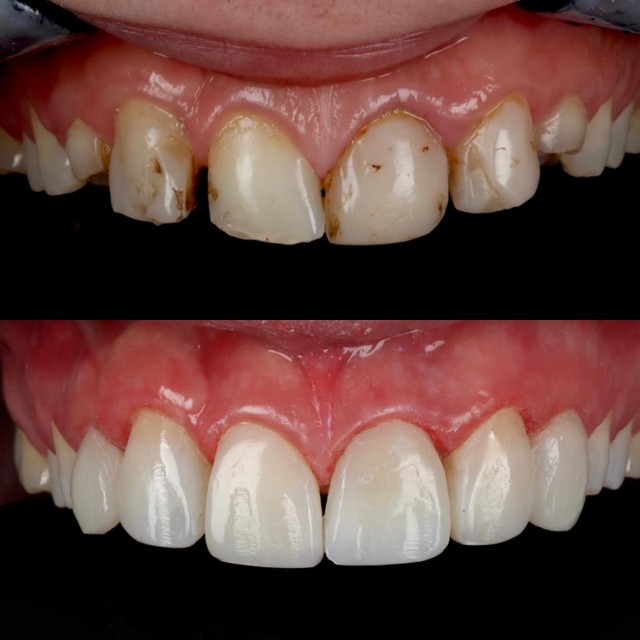
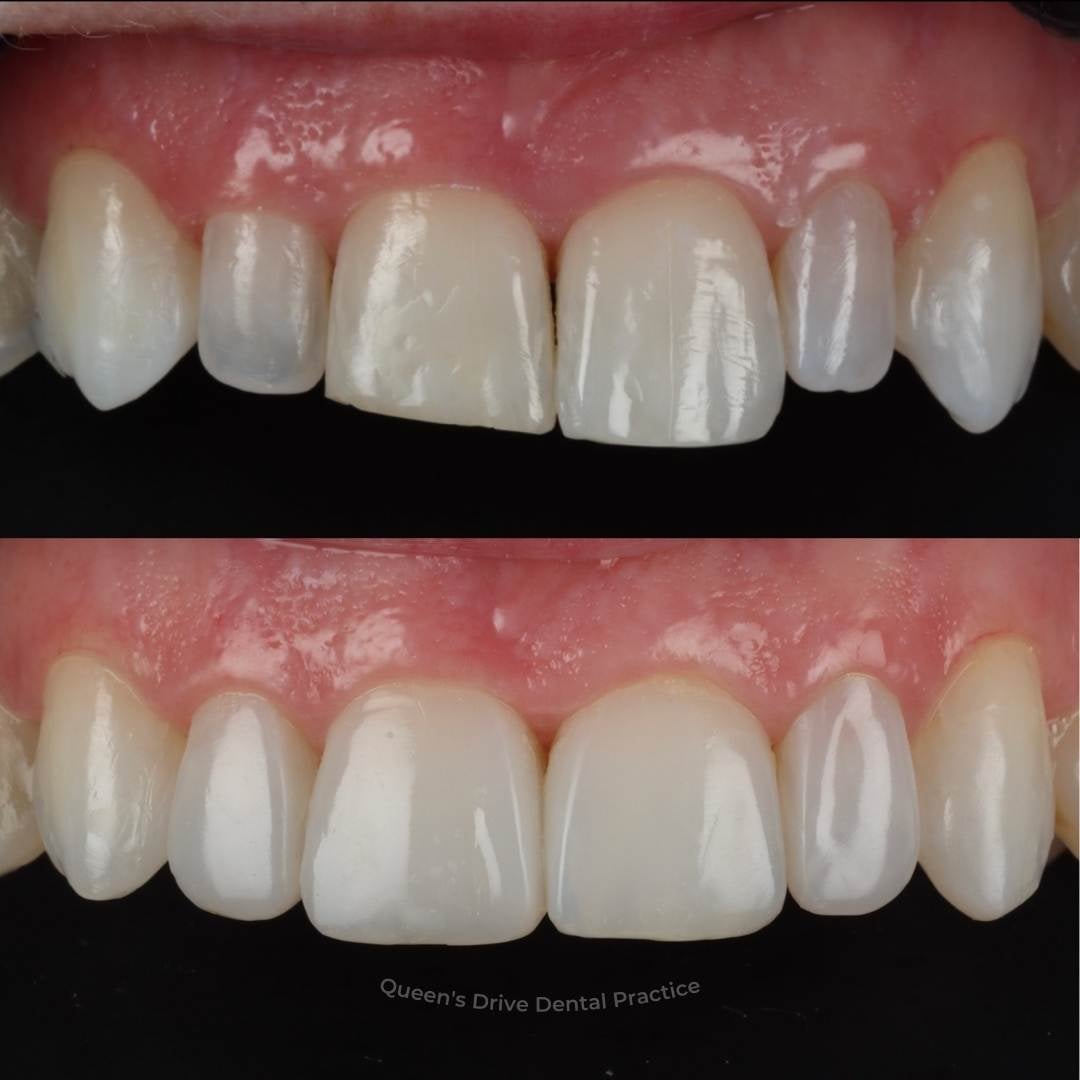
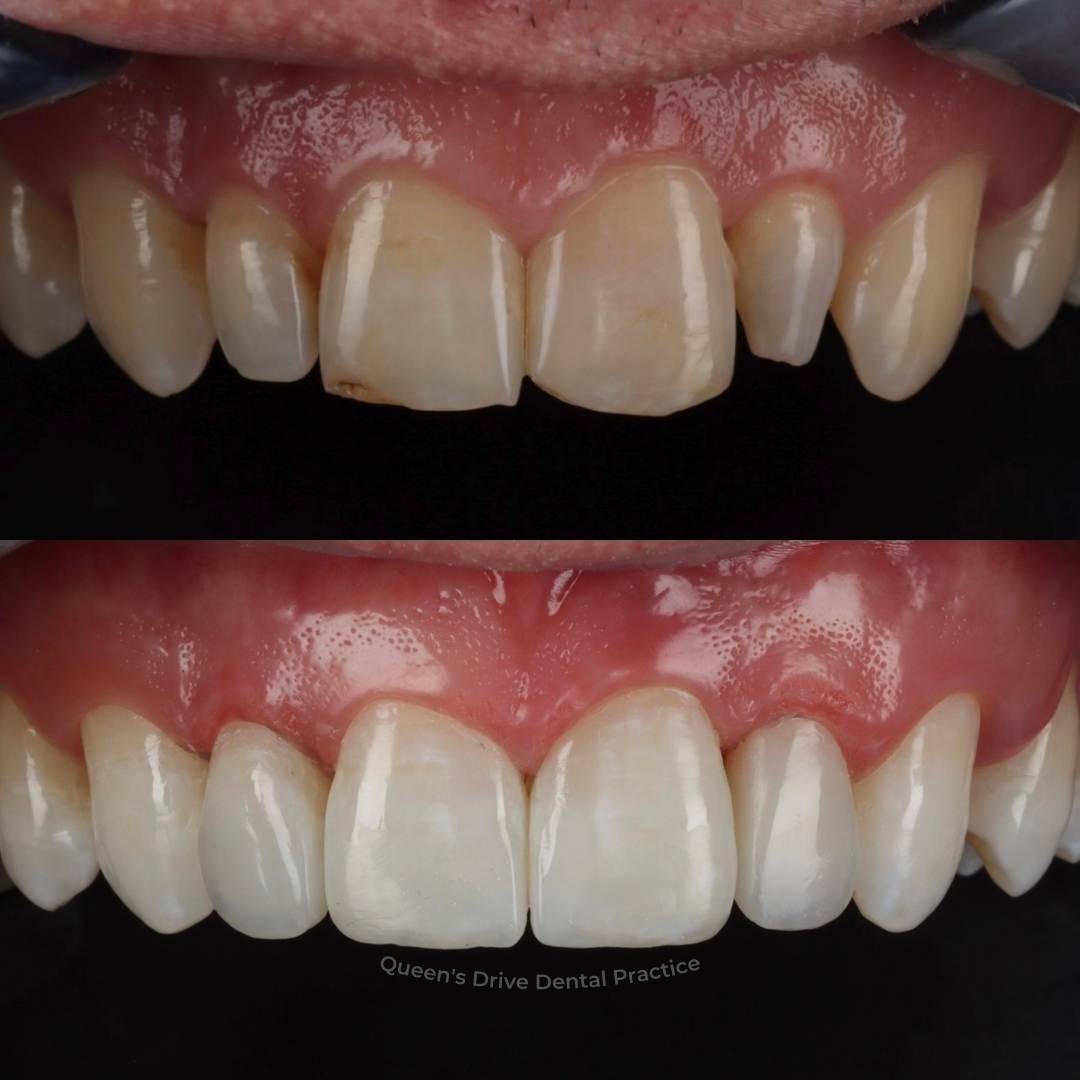
Composite bonding uses a tooth-coloured resin that is carefully applied to the damaged area of the tooth.
Your dentist will shape the material to recreate the tooth’s natural contours before polishing it to blend seamlessly with the surrounding teeth.
The aim isn’t simply to cover the chip—it’s to restore the tooth so that it looks and feels natural again.
Because the material is colour-matched to your existing teeth, the finished result is often difficult to distinguish from the surrounding enamel.
Is Every Chipped Tooth Suitable for Composite Bonding?
Composite bonding is an excellent solution for many small to moderate chips, but every situation is different.
The most suitable treatment depends on:
- The size of the chip.
- Which tooth has been affected.
- Your bite.
- The overall health of the tooth.
- Your cosmetic goals.
If the tooth has more extensive damage, another restorative treatment may provide better protection.
A consultation allows your dentist to recommend the most appropriate option for your individual smile.
More Than Just Repairing Chips
Although repairing chipped teeth is one of the most common reasons patients choose composite bonding, it’s far from the only benefit.
Composite bonding can also improve:
- Uneven tooth shapes.
- Small gaps between teeth.
- Worn tooth edges.
- Minor imperfections.
- Overall smile symmetry.
Many patients are surprised by how much difference small changes can make to the appearance of their smile.
Will My Tooth Look Natural Afterwards?
One of the biggest advantages of composite bonding is its ability to blend naturally with your existing teeth.
Modern composite materials are available in a range of shades, allowing your dentist to carefully match the colour of your smile.
Each restoration is individually shaped and polished to create a finish that looks balanced, healthy and natural.
The goal is for people to notice your smile—not your dental treatment.
Looking After Your Composite Bonding
Once your treatment is complete, caring for composite bonding is straightforward.
We recommend:
- Brushing twice daily.
- Cleaning between your teeth every day.
- Attending regular dental check-ups.
- Visiting your hygienist as advised.
- Avoiding biting hard objects such as pens or ice.
- Wearing a protective mouthguard during contact sports if appropriate.
With good care, many patients continue to enjoy the benefits of composite bonding for many years.
Why Choose Queens Drive Dental Practice?
At Queens Drive Dental Practice, we understand that even a small chip can affect your confidence.
Our experienced team provides personalised cosmetic dentistry designed around your individual needs. Every treatment is carefully planned to restore both the appearance and function of your smile while preserving healthy tooth structure wherever possible.
Whether you’ve recently chipped a tooth or you’ve been considering cosmetic improvements for some time, we’re here to help you explore your options.
Book a Consultation Today
If you’ve chipped a tooth and would like to find out whether composite bonding is the right solution, we’d be delighted to help.
Book a consultation with Queens Drive Dental Practice in Glasgow, where we’ll assess your smile, answer your questions and recommend the treatment that’s best suited to your needs.
Together, we’ll help restore your smile and your confidence.
Frequently Asked Questions
Is composite bonding suitable for repairing chipped front teeth?
Yes. Composite bonding is commonly used to repair chipped front teeth because the material can be carefully shaped and colour-matched to create a natural-looking finish.
Will the repaired tooth look different?
The aim of composite bonding is to blend seamlessly with your natural teeth. Your dentist will carefully match the colour and shape of the composite resin to your smile.
Should I leave a chipped tooth untreated?
Even a small chip should be assessed by a dentist. While some chips are cosmetic, others can weaken the tooth or increase the risk of further damage if left untreated.